
What is Extended Producer Responsibility (EPR)?
Quick Definition:
Extended Producer Responsibility (EPR) is an environmental policy that requires manufacturers and brands to fund the collection, recycling, and disposal of their products at end of life — shifting that cost away from municipalities and taxpayers.

What is Extended Producer Responsibility (EPR)?
Extended Producer Responsibility (EPR) is an environmental policy framework that shifts the financial and operational responsibility for end-of-life product management from governments and taxpayers onto the manufacturers and brands that produce those products. Rather than municipalities bearing the cost of collecting and recycling packaging waste — a burden historically passed on to ratepayers — EPR requires producers to fund, and in some cases operate, the systems that manage their products once consumers are done with them. Producers typically meet this obligation by registering with a Producer Responsibility Organization (PRO), a collective compliance body that pools industry fees and contracts with waste haulers, recyclers, and materials recovery facilities to handle the work. Fee structures are often tied to material type and recyclability, with harder-to-recycle materials carrying higher costs — creating a direct financial incentive for companies to redesign their packaging from the start.
Originally conceived in Sweden in 1990 and first put into law through Germany's 1991 Green Dot packaging system, EPR has since expanded to over 60 countries and dozens of product categories — including electronics, batteries, tires, mattresses, paint, and textiles. In the United States, seven states have now enacted packaging EPR laws, with Oregon and Colorado fully operational as of 2025–2026 and California, Maine, Minnesota, Maryland, and Washington at various stages of implementation. For waste haulers, EPR fundamentally changes who signs the contract: instead of negotiating with hundreds of individual municipalities, haulers work directly with PROs under performance-based agreements tied to material recovery rates and contamination thresholds. Early results from Canada — where GFL Environmental credited EPR with contributing to its highest-ever EBITDA margin in 2025 — signal that operators with strong data infrastructure and route efficiency are positioned to win significant new business as the U.S. rollout accelerates.
Software By Haulers,
For Haulers
CurbWaste was built by industry veterans who understand the difficulties of running a waste business firsthand. Our all-in-one platform handles customer management, dispatch, and billing — so you can focus on service, speed, and scaling your business.
GET DEMO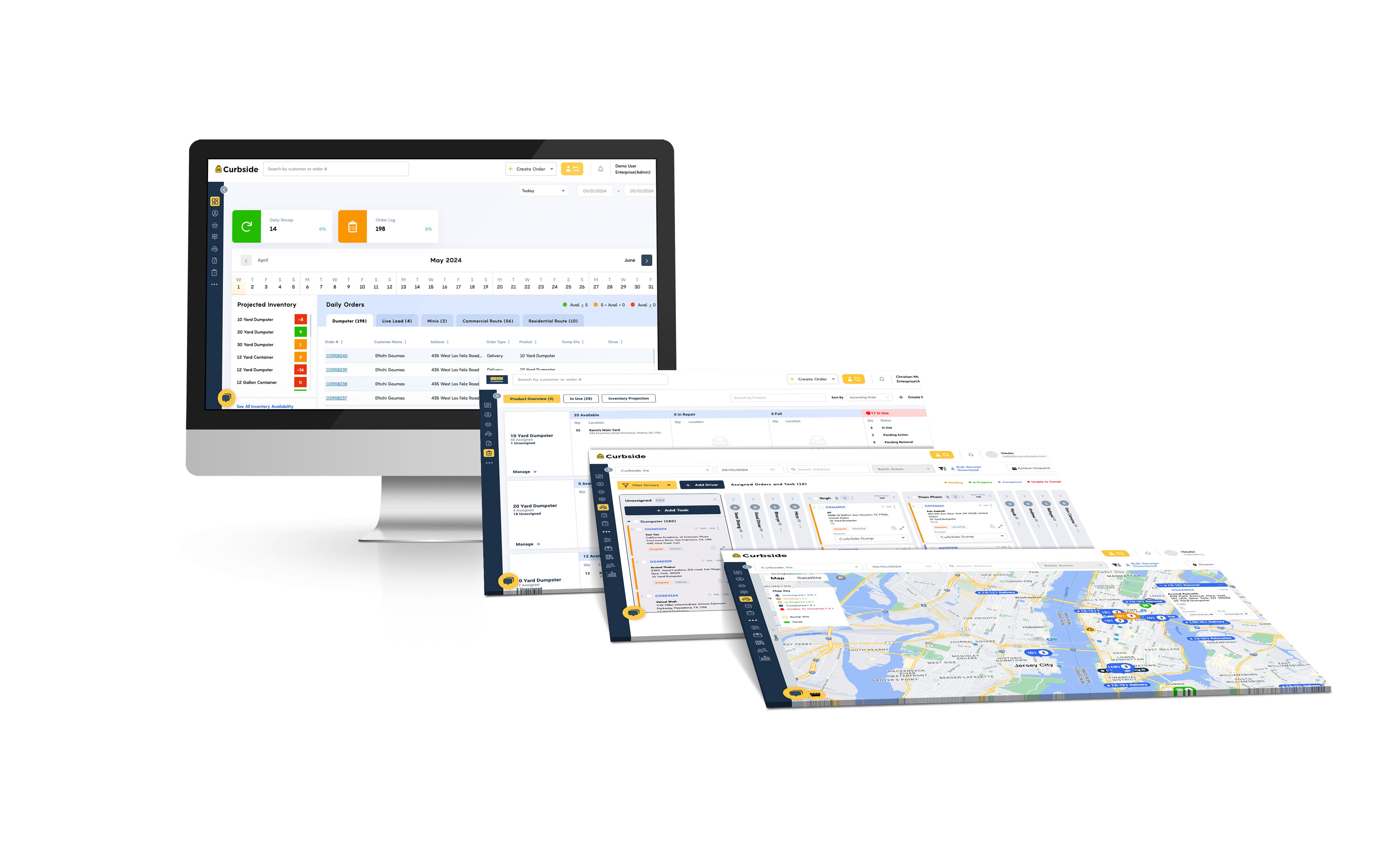
Ready to get started?
Meet the team to learn more about why CurbWaste waste management software has become the trusted partner for waste hauling businesses nationally.
.svg)

.svg)